

Minding Midlife
Welcome to Minding Midlife - a collection of articles exploring the emotional, psychological, and spiritual realities of midlife.
Here you'll find practical, evidence-informed insights on perimenopause, anxiety, identity, relationships, ADHD, body image, burnout, and the search for meaning. Whether you're looking for answers, reassurance, or a new perspective, I hope these articles help you feel more informed, more connected to yourself, and a little less alone.
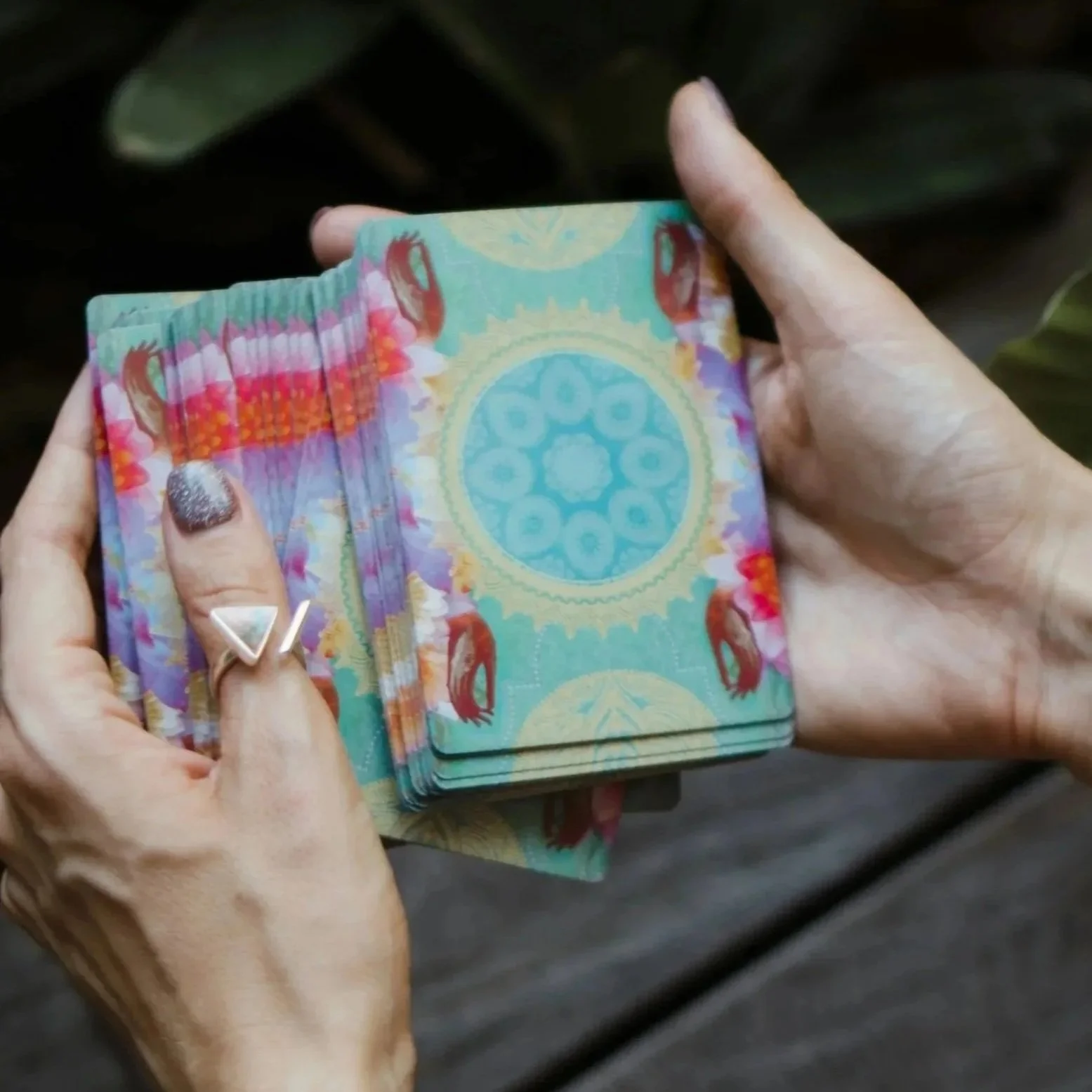
Top 6 Questions I Get Asked About Spiritually-Integrated Therapy
As a therapist who specializes in working with midlife women, I hear time and time again questions of spirituality and belief systems parallel questions about identity, purpose and creating a meaningful life.
That’s not by accident. At this stage in life, at this period in history, women are seeking more depth in the way they understand themselves and their place in the world. Spiritually-integrated therapy is a way to explore that level of seeking.

Who Am I? Searching for Identity in Midlife
I see you out there, quietly wondering who you’ve become now that you’ve hit midlife.
Sometimes that very question arrives in a series of small whispers. We wonder about our changing likes and dislikes, our personal style, the types of relationships we want. Sometimes, though, the question of identity shows up in the urgency of a rebel yell – like, okay: Who have I become and do I even want to be this person? What’s my purpose?
No matter how these questions surface for you, it’s normal to wonder. It’s common. It’s healthy. Midlife is a natural time to pause (literally) and take inventory …

Health Anxiety in Midlife is the Added Stressor No One Needs. So Let’s Discuss.
Does any of this sound familiar?
You wake up with a tightness in your chest or a strange lightheaded sensation, and you panic, which only makes it worse.
You forget a word you’ve used a thousand times, or maybe even why you walked into a room.
You find yourself, for the first time, really considering your family health history and wondering if you’re destined to repeat patterns.
And then the mental spiral begins.
So you consult Dr. Google or his assistants ChatGPT or Claude, and maybe you get some temporary reprieve from the worry, only to find yourself feeling the same way the next day. You can’t shake the feeling something must be wrong …

In Defense of the Midlife Crisis: Why Falling Apart May Be the Beginning of Something Better
In addition to the identity shifts, hormonal flux, and existential crunch of midlife, Sarah and so many women like her are now feeling shame for even wanting, needing, or craving support.
These days, we’re not supposed to call our midlife stress a crisis, even though that may be our truth.
Midlife has had a rebrand—which, in a lot of ways, has been a step forward. I’ve written about it as well.
For years, women were told to fear midlife, as though it marked the beginning of decline. Thankfully, we’re beginning to rewrite that story.
But somewhere along the way, we’ve created a new impossible standard, and midlife has become subject to toxic positivity …

Why Am I So On Edge? Understanding Why Everything Feels Like Too Much in Midlife
Midlife irritability is extremely common, but that doesn’t mean you need to white-knuckle through it. Let’s jump in to what this all means and how you can access support …

5 Ways to Safeguard Your Mental Health During Perimenopause
I won’t romanticize perimenopause … because it’s A LOT.
Many women are caught off guard by the intensity of what surfaces during this time: anxiety that feels unfamiliar, mood swings that seem disproportionate, grief that comes out of nowhere, or a persistent sense of “not feeling like myself.”
Caring for ourselves and receiving care become non-negotiable. Here are five grounded, compassionate ways to do that. Let’s dive in.

Why You May Feel Like You Want a New Life ….
A deeper look at midlife changes, identity shifts, and the role of perimenopause
Many women I work with reach a point where a persistent thought begins to surface: I want a different life.
It may start as a soft whisper and grow, or it may arrive as an all out scream. Traditionally, this is the trope of the midlife crisis, but I like to call it the Midlife Invitation.
The Top 10 Questions Women Ask Me About Midlife Mental Health
As a psychotherapist who specializes in working with women in perimenopause and midlife, I hear the same questions again and again. These aren’t surface-level concerns. At all. They’re deeply felt experiences about mood, identity, relationships, and what it means to move through this transition with clarity and self-trust.
Understanding Depression in Perimenopause
Ya’ll, there’s been plenty of conversation lately about increased anxiety in perimenopause, but we’re not giving as much airtime to anxiety’s cruel cousin: depression. And we really need to.
Truly, the omission of depression from the conversation is not much of a surprise. Anxiety is much more socially acceptable as far as mental health concerns go. In fact, I could write a whole blog about that topic, but I’ll say here that folks typically think of anxiety as related to productivity. It’s work stress. I’m stressed about caring for ___. I lay awake thinking about ___. And in our culture, there’s a martyrdom that happens at this intersection.
Depression, meanwhile, has been framed as the opposite, and it’s more stigmatized. Even more, depression can be hard to recognize. It shows up for women in many different ways and hinders their wellbeing accordingly. That’s even more reason we need to normalize and tend to depression in perimenopause early, because it’s much more common than you’d think.

Shielding Ourselves from Toxic Youth Culture in Midlife
There is a steady and persistent message running through our culture: women are most valuable when they look young.
This article, written by Jessika Fruchter LMFT, explores the impact of toxic youth culture and beauty industry marketing on midlife women and identifies strategies for safeguarding our mental health.

Part I: What Perimenopause is and Isn’t. and Why it Matters.
For many of our generations, the topic of perimenopause/menopause was never discussed, and if it was, it was hush-hush, referred to cryptically or as fodder for jokes. Talking about perimenopause openly in the context of women’s health is a new development. And long over due.
This is the first of a series of blog posts that will explore cultivating wellness during perimenopause and reclaiming a rite of passage that has been minimized and/or over-medicalized.
On Refusing to Numb & Re-Learning to Feel in 2026
Ya’ll, here we are. I’m not going to sugar coat anything. It’s a new year with the same dumpster-fire political climate. It’s overwhelming.
But let me pause here for a moment because if you don’t know me, you may be wondering why a psychotherapist is writing about the political climate. My ‘why’ is pretty clear. Feminist Psychology, the approach from which my work is based, does not separate individual wellness from collective systems. This is to say: the political is always personal.
If this isn’t for you, I don’t take it personally. But for so many of you, I see you out there trying to balance staying informed with keeping your mental health intact and struggling in the process. As the year picks up momentum, I’m reminded that to be awake, really awake and sentient, requires a particular kind of courage and strategy. The choice is also a privilege, which I bring up as an acknowledgment, not a source of guilt.
The courage that we need in this case is not the loud, performative kind. Not the grit-your-teeth, push-through kind either. It’s the quieter courage of staying present, of feeling what is actually here, of resisting the many ways we are encouraged to numb out …

I’ve Been Honoring the Winter Solstice Since I Was a Teenager—This Year Hits Different
The 12 Days of Yule span the time between the solstice and the New Year (or a day before/after). This marks a liminal corridor between what has ended and what has not yet begun.
What I love about this framework is that it mirrors something I see again and again in midlife and perimenopause:
the need for integration rather than reinvention.
Each day carries its own subtle theme of ancestry, stillness, shadow, intuition, creativity, commitment. But none of them ask us to hustle toward clarity. Instead, they invite us to listen. To tend the hearth. To rest. To let something slowly take shape beneath the surface.
This feels especially important in a culture that treats January 1st like a starting gun.

Tis the season to love-up on yourself ... or it should be.
For better or worse the holidays shine a light on all that's there and all that's not.
Anger, irritability, sadness, grief and anxiety are all common (and understandable) feelings. We’re inundated with the Hollywood version of what the holidays are meant to feel and look like, and the bar is just too dang high ….

Midlife Women and ADHD: Why So Many Are Diagnosed Late, and Why Life Feels So Hard
When women in their 40s and 50s say things like “I feel like my brain is broken” or “I used to juggle it all, and now I can’t keep up,” they’re not being dramatic or hyperbolic.
The overwhelm is a very real, very common experience. In fact around 80% of the women I work with share these concerns.
Gen X and Elder millennial women are knee deep in midlife and realizing the struggles they’ve carried for decades - difficulty staying organized, easily fatigued, sensory sensitivity, rejection sensitivity, trouble with motivation, and generally on top of things - may have a name: ADHD.

On Making Peace with your Midlife Body
I’ll be real—this cultural fixation on weight gain and body composition during perimenopause has me deeply fired up.
As if this phase of life weren’t vulnerable enough, the wellness industry has outdone itself in preying on women’s insecurities about aging and fears about long-term health. Suddenly, everyone’s selling a remedy —when in many cases, there may not even be a problem to fix.
Metabolic health, like all health, is deeply individual and should be assessed in partnership with a trusted, knowledgeable provider—not dictated by influencers, google searches or self-proclaimed wellness gurus.
In a recent Instagram post, I shared how the obsession with “meno-belly” may be doing more harm than good, especially when it comes to our mental health. The current messaging feeds the narrative that our bodies are betraying us. It keeps us at war with our bodies at a time in life when we most need, and truly deserve compassion, support, and reconnection.
This blog continues that conversation—a deeper dive into our relationship with our bodies and nourishment in midlife and how we can begin to move toward something more nourishing: reverence, respect, and radical body peace.

Reclaiming Inner Wisdom: Tarot as a Feminist Tool for Growth
When I first wrote about using tarot in my therapy practice, I had no idea it would strike such a chord.
Spoiler alert: It did. To this day, that first blog post remains the most visited page on my website. And more often than not, women find my therapy practice by googling terms like “therapy and tarot” or “spiritual therapist.”
I suppose it shouldn’t have come as a surprise. We’re living through a time of intense upheaval and reckoning. More and more women are awakening—longing for a deeper connection with themselves and something greater: spirit, divinity, source, the universe.
Developing a therapeutic tarot practice isn’t necessarily about divination—though some may travel that path. More often, it’s about working with imagery and symbolic stories to bypass the intellect and access our own inner knowing …

SOS: Finding the Right Medical Care During Perimenopause
For many women, finding the right provider isn’t just a matter of logistics. Choosing a provider during perimenopause can stir up complex emotional layers: anxiety about being dismissed or misunderstood, frustration from past medical gaslighting, or even unprocessed trauma from previous health care experiences. Women deserve better—and with a bit of guidance, it is possible to assemble a supportive care team that truly sees you …

What we don’t Talk about when we talk about perimenopause
Perimenopause is not just a hormonal phase—it’s a psychological and spiritual threshold. It asks us to let go of old identities and make space for something new. But without community, without language, and without support, that transition can feel isolating and terrifying.

Who do I work with in my private Practice? I’m so glad you asked …
I work with creative, spiritual professional women in California and Louisiana—two vibrant states that shape my work with their unique cultures and energy. These women come to me at a time when they’ve spent decades doing everything “right” according to societal expectations.
They’ve built careers, raised families, and lived by the rules. But now, as they approach midlife, they’re feeling a sense of inner questioning, a shift in their identity, and a deeper need for personal alignment. This is where I step in to guide them through this profound transition …