
On Refusing to Numb & Re-Learning to Feel in 2026

Ya’ll, here we are. I’m not going to sugar coat anything. It’s a new year with the same dumpster-fire political climate. It’s overwhelming.
But let me pause here for a moment because if you don’t know me, you may be wondering why a psychotherapist is writing about the political climate. My ‘why’ is pretty clear. Feminist Psychology, the approach from which my work is based, does not separate individual wellness from collective systems. This is to say: the political is always personal.
If this isn’t for you, I don’t take it personally. But for so many of you, I see you out there trying to balance staying informed with keeping your mental health intact and struggling in the process. As the year picks up momentum, I’m reminded that to be awake, really awake and sentient, requires a particular kind of courage and strategy. The choice is also a privilege, which I bring up as an acknowledgment, not a source of guilt.
The courage that we need in this case is not the loud, performative kind. Not the grit-your-teeth, push-through kind either. It’s the quieter courage of staying present, of feeling what is actually here, of resisting the many ways we are encouraged to numb out.
Because the invitation to numb is everywhere, right?

Scroll. Dissociate. Overwork. Optimize. Drink it down. Medicate the edges. Turn grief into productivity. Turn fear into self-improvement. Turn rage into silence. We are offered endless tools to make ourselves smaller, flatter, more manageable, especially when the world feels unstable, cruel, or incomprehensible.
And let’s be clear. The impulse to numb is not a personal failure. There is nothing pathological about wanting relief. But it’s also important to know numbing comes with a cost.
When we let the overwhelm win and we numb ourselves, we run the risk of becoming complacent. We also dull our capacity for joy and connection and lose access to our intuition and vitality. Similarly, when we avoid feeling, we don’t actually escape suffering. We just defer it.
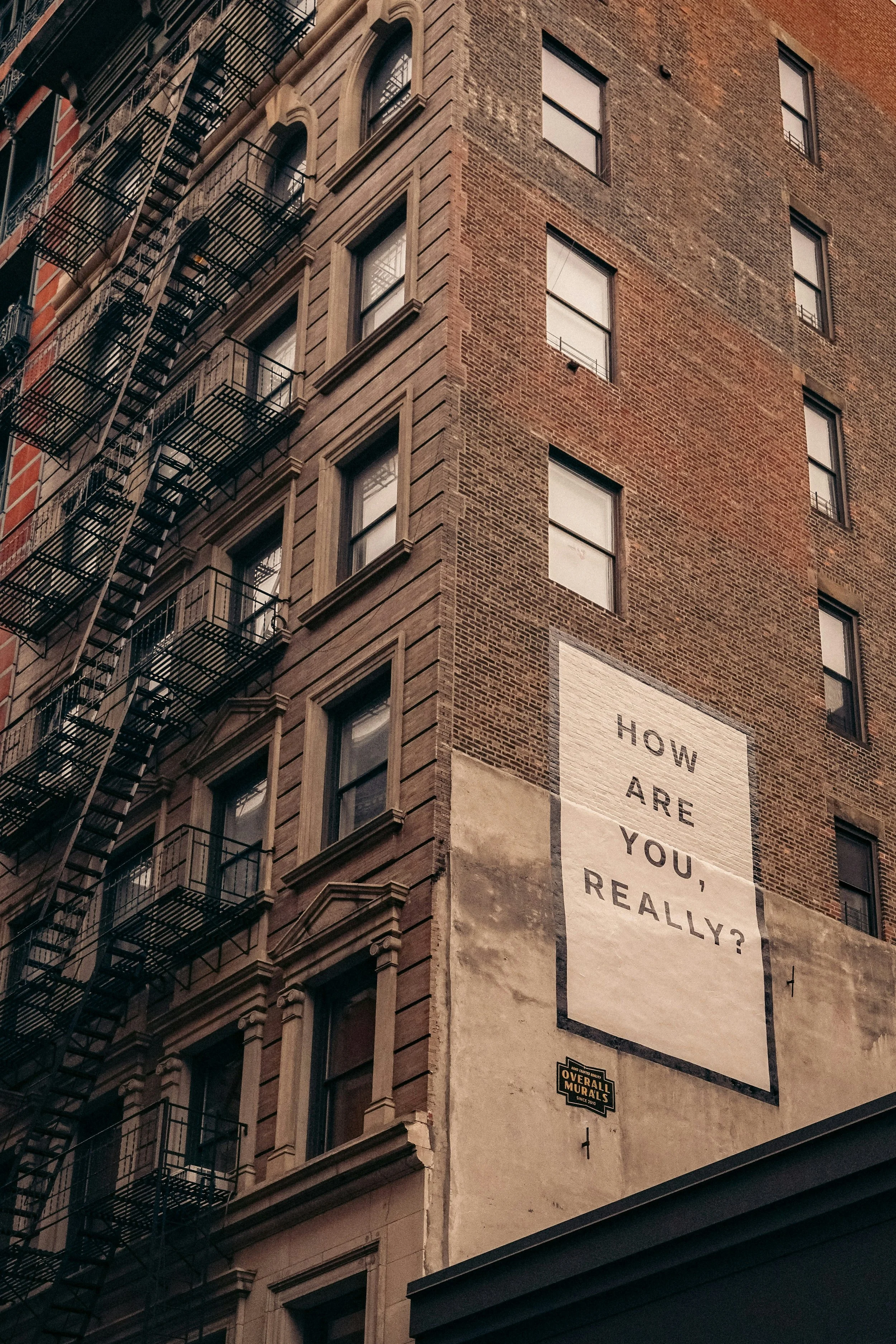
So perhaps one of the quiet revolutions of 2026, not the only one, is choosing to feel anyway? Not by drowning in the news or marinating in despair, but by staying in relationship with our inner lives, tracking sensation, emotion, and meaning as they move through us.
Feeling all the things does not mean being consumed by them. It means allowing emotions to have their natural arc. Letting grief be grief without immediately trying to silver-line it. Letting anger clarify rather than harden. Letting fear inform rather than paralyze.
And importantly, it also means tending to true pleasure.
This is where many of us get stuck.
We’ve been conditioned to think of pleasure as frivolous, selfish, or escapist. Especially for women, caregivers, and those socialized to prioritize others, pleasure is often framed as optional at best, irresponsible at worst.
But pleasure is not a luxury. It is a resource.

This is the insight at the heart of Adrienne Maree Brown’s work on pleasure activism, which holds the idea that reclaiming our right to feel good is not just a personal indulgence but a political and relational act. Her work draws on Black feminist thought and liberation psychology traditions. And the premise is essential so that we can show up in all the ways we need to. There is such wisdom in that. What if joy, satisfaction, and shared aliveness were central to how we build community, sustain movements, and steward our own lives?
In the same spirit, renowned psychologist Esther Perel invites us to consider the erotic, not in a narrow sexual sense, but as the life force that animates us. In her recent appearance on the 10 Percent Happier podcast, Perel talks about how modern life can drain our sense of aliveness and why reconnecting with that quality of vibrancy, curiosity, and presence is essential.
To be clear, presence is not the same as positivity. It’s a willingness to inhabit the fullness of our human experience, even when it’s uncomfortable. And seeking pleasure and erotic aliveness does not mean bypassing reality. It means resourcing ourselves so that we can be create and transform our own lives and the world we’re part of.
Experiencing pleasure may be something like …
· The feel of warm water on skin
· Music that moves something buried deep
· Sunlight through an east-facing window
· Creative expression without an audience
· Laughter that gives belly-aches
· The quiet satisfaction of tending something living
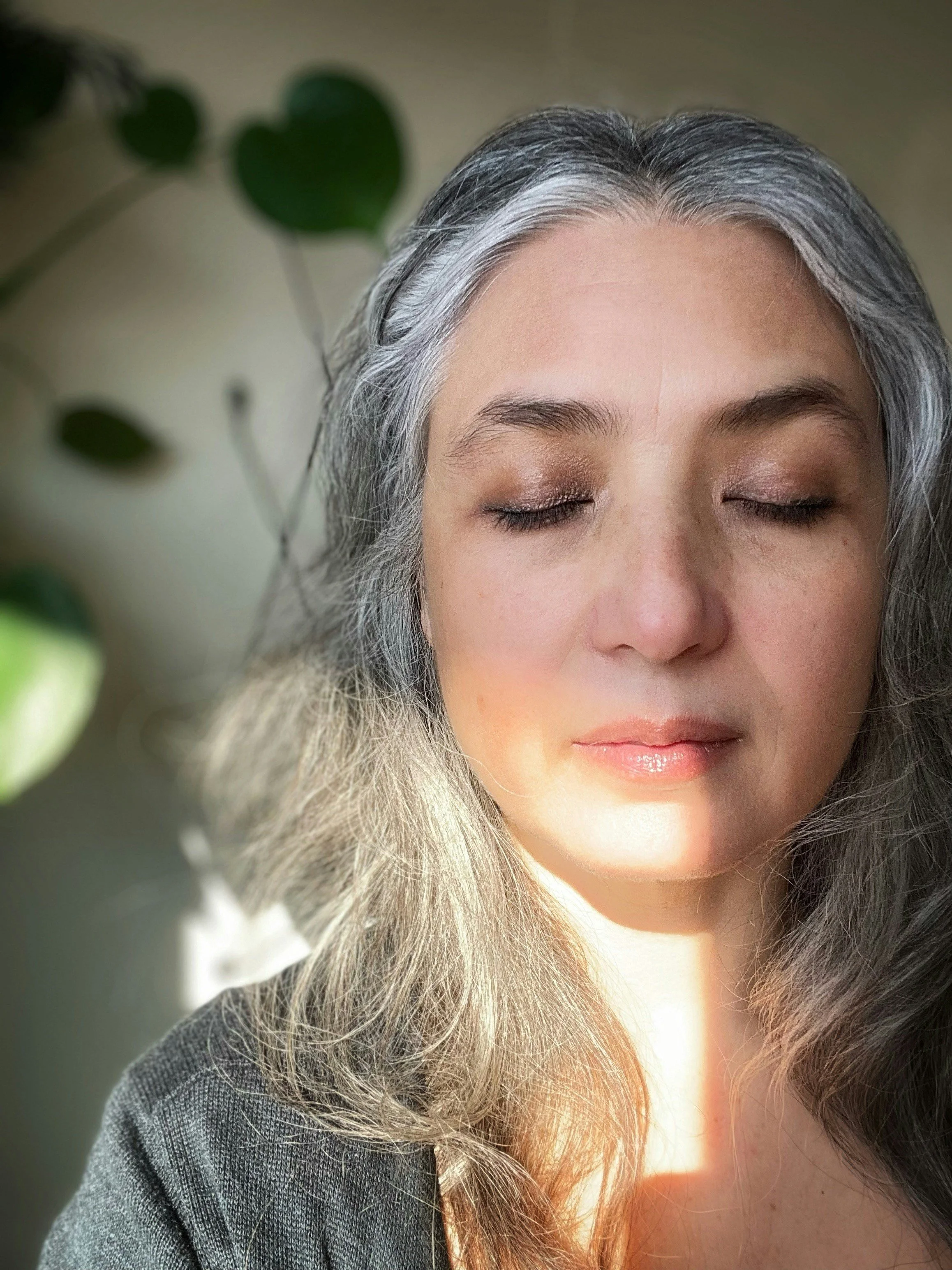
These moments do not fix the world, but they change how we inhabit it and our capacity to be engaged.
Closing Thoughts
In 2026, many of us are learning that resilience is not about hardening. It’s about developing enough internal capacity to feel sorrow and delight, rage and tenderness, grief and desire often in the same day.
This requires discernment because there is a difference between feeling and flooding and between staying informed and being re-traumatized.
So perhaps the practice is something like this:
· Notice when you’re reaching to numb
· Ask gently what you’re trying not to feel
· Offer yourself a safer way to feel it. This may be through the body, through expression, through therapy, or another safe connection
· Then, intentionally seek pleasure and erotic aliveness as nourishment
This is a trauma-informed approach to being alive in a difficult era. From this feminist therapist’s opinion, this is the foundation of the work right now.
We are not meant to white-knuckle our way through history. We are meant to live sensually, relationally, meaningfully … even now. Especially now when division seems to be the name of the game.
Please know if you are feeling numbed, overwhelmed, or powerless, mental health professionals are here for support. You are not alone in this and you are needed out there.
In my next blog I’ll talk about different approaches to reclaiming power and taking action. And yes, this is part of feminist psychology as well. But more on that next time.
Until then, wishing you health and ease,
Jessika

Online Therapy for Women in California - the Support You’ve Been Seeking.
My approach is holistic and tailored to each client’s needs. Whatever your struggles, whatever your goals, we work as a team. I'm in this with you - warm, direct, and transparent in the process. And I love the work I do. Let’s get started!
Other services offered by Jessika Fruchter, LMFT- Therapy for Women
In addition to providing Therapy for Women in California, I also offer online psychotherapy and expressive arts therapy for teen girls in California.
Other Services Include:
Groups and Workshops for Women: Magic happens when women come together! I offer new groups and workshops quarterly, both online and in-person. Topics and themes have included:
Therapeutic Writing
Mask Making
Tarot Practice for Developing Intuition
Women’s Circles
Clinical Consultation for Therapists:
I specialize in collaborating with clinicians who want to integrate expressive arts therapy or psychospiritual practices such as tarot therapy, dreamwork, altar making, and ritual, into their practices. I also offer training on these topics. To learn more about my offerings for clinicians visit: www.mycreativepractice.com.
Training for Psychotherapists:
I have a passion for providing creative and useful training to teams on the front line of community mental health. Past training has focused on trauma-informed expressive arts therapy interventions and burnout prevention. Training may also be developed/tailored based on the unique need of the team. Contact me here.
Books and Blogs:
Check out my first book project for teens published in September 2021. For articles and essays about women’s mental health and wellness, check out my blog, Say More and you can also subscribe to receive the latest updates.